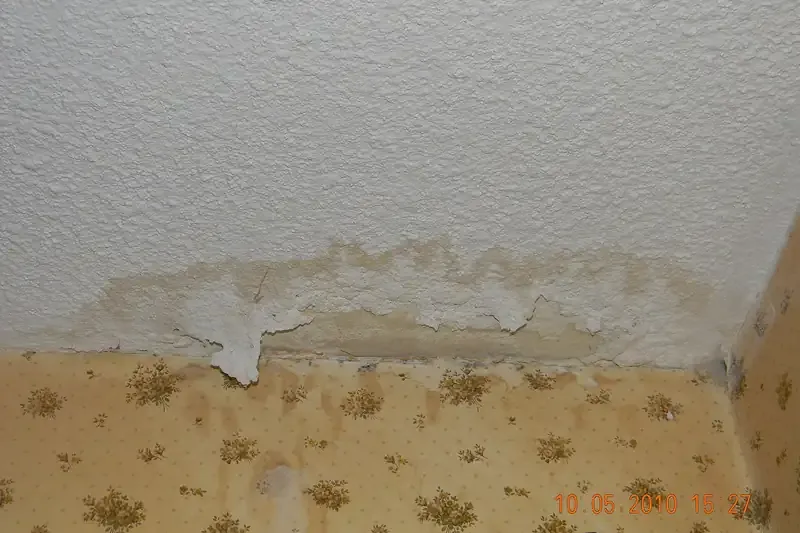
What water mitigation services actually include
Insurance adjusters split a water loss into two parts. Mitigation is everything done to stop the damage from getting worse: water removal, drying, removing materials that cannot be dried, and cleaning. Restoration or repair is putting the house back afterward. The two often get done by different crews and appear on different invoices, so it helps to know where one ends.
A mitigation crew in Flagstaff will normally handle these steps:
- Extraction of any remaining water (see water removal for that first step).
- Moisture mapping with pin and pinless meters and a thermal camera, marked on a floor plan.
- Controlled demolition: baseboards off, flood cuts in drywall where needed, wet insulation and swollen toe kicks removed.
- Setting air movers, dehumidifiers and sometimes heat drying or wall-cavity injection drying.
- Cleaning and antimicrobial treatment of affected framing, subfloor and surfaces.
- Daily monitoring visits with logged readings until every material reaches its dry goal.
That daily log is the single most important document in a water claim. It shows the adjuster how wet the house was, what was done each day, and when it reached dry standard.
Water damage cleanup in Flagstaff: drying at altitude
People assume a mountain town with dry air dries itself. Partly true: Flagstaff's outdoor humidity is often low, and that does help dehumidifiers work. But there are local catches.
- Winter losses happen in cold houses. Many Flagstaff water calls come after a pipe freezes, which means the house was already cold. Evaporation slows sharply on cold surfaces, so the heat has to stay on through the dry-out.
- Wood framing soaks up a lot. Older homes near downtown and in Sunnyside often have plaster or multiple drywall layers over old framing that holds moisture longer than modern builds.
- Monsoon season flips the air. In July and August outdoor humidity jumps during storm season. Opening windows to dry the house can make things worse on a wet afternoon; closed-house drying with dehumidifiers works better.
- Wood stoves and pellet stoves. A hot stove can make a room feel dry while wall cavities stay wet. Meters, not comfort, decide when drying is done.
Categories of water and why they change the cleanup
The industry standard for water damage (the IICRC S500) sorts water into three categories. The category decides what can be dried in place and what has to go.
| Category | Typical source | What usually happens |
|---|---|---|
| 1, clean | Burst supply pipe, water heater, ice maker line | Most materials can be dried in place if work starts quickly. |
| 2, gray | Washing machine, dishwasher, toilet overflow without waste | Carpet pad is removed; surfaces are cleaned and treated before drying. |
| 3, black | Sewage backup, outside floodwater, water left standing for days | Porous materials are removed and bagged; see sewage cleanup. |
Clean water does not stay clean. After a couple of warm days, a Category 1 loss can be treated as Category 2 because bacteria have started to grow. That is another reason not to wait.
How long drying takes
Most homes in the Flagstaff area dry in three to five days once equipment is set. Hardwood floors, plaster walls, and losses in crawl spaces can take longer, sometimes a week or more. The goal is not a set number of days but readings that match an unaffected area of the same material. A good crew will show you the numbers each visit.
Expect the equipment to be loud and to run around the clock. Air movers pull a fair amount of power, so crews often spread them over several circuits. If you need to stay in the house, ask for a setup that leaves bedrooms usable.
Water mitigation cost in Flagstaff
Mitigation is billed by equipment-days, labor hours and materials removed, usually in an insurance estimating format. For a one or two room clean-water loss, mitigation commonly runs $1,500 to $3,000. Losses that need flood cuts, cabinet removal, or crawl space drying more often reach $3,000 to $5,000. These numbers are before rebuild costs, which are covered on the water damage repair page.
Two things raise the bill more than anything else: waiting before calling, and water getting under cabinets or floating floors. Both turn a drying job into a tear-out job.
When mitigation finds mold
If drywall or framing was wet for more than two or three days before anyone noticed, crews may find mold during demolition. Small areas are often cleaned as part of mitigation. Larger growth, or anything in HVAC ducts, crawl spaces or attics, is handled under mold remediation with containment and air filtration. The guide on mold after water damage explains the timeline at Flagstaff elevations.
Questions to ask a water mitigation company in Flagstaff
Mitigation crews show up fast and start working right away, which is good, but it also means homeowners often sign paperwork before they understand it. A few questions up front prevent most disputes later.
- Will you share daily moisture readings? You want the log, not just a verbal 'it's drying fine.'
- What is your dry goal for each material? Good crews compare readings to an unaffected wall or floor of the same material in your house.
- What are you removing, and why? Ask them to show you wet readings before they cut drywall or pull cabinets.
- How many pieces of equipment, for how long? Equipment-days drive the bill. Ask why each unit is where it is.
- Do you also rebuild? If yes, ask for the rebuild estimate separately so you can compare it.
- Who is your contact at my insurance company? Many crews talk to adjusters directly; make sure you are copied.
Also read the work authorization before signing. It is normal to authorize emergency mitigation. Be careful with documents that assign your insurance benefits to the contractor or commit you to the same company for all rebuild work; you can ask to strike or limit those parts.
Mitigation in crawl spaces and slab homes
Flagstaff homes split roughly between slab-on-grade and crawl-space construction, and the drying plan is different for each. On a slab, water spreads under baseboards and bottom plates and into carpet pad, and concrete holds moisture that slowly releases into flooring above it. Crews often use more dehumidification and sometimes drying mats on hard floors. In a crawl space, water collects on the vapor barrier and soaks into joists and the underside of the subfloor. The fix is pumping, pulling the wet barrier, and running a dehumidifier into the space with the crawl vents closed, so the machine is drying the house, not the outdoors.