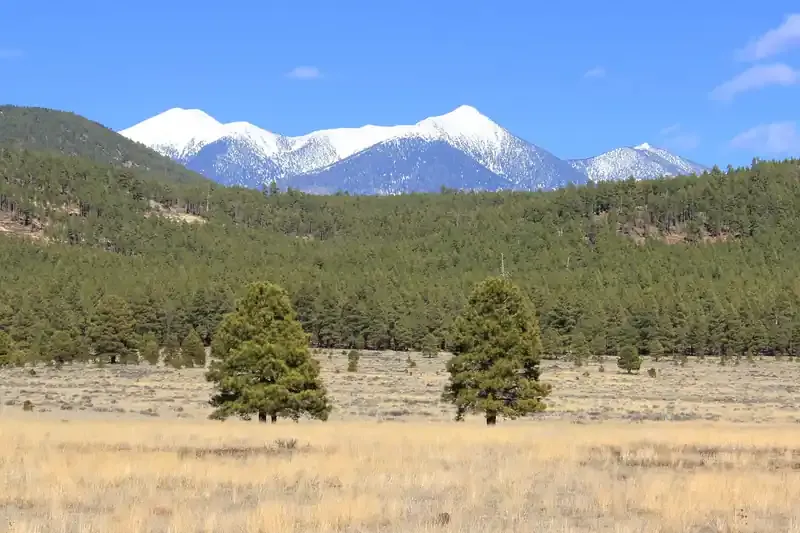

Cold, wind and frozen pipes in Bellemont
Bellemont's elevation is a few hundred feet higher than downtown Flagstaff, and the open terrain around it gives winter wind a long run at the houses. Cold air settles in the meadow on clear nights. Combine that with wind chill pulling heat out of exterior walls, and pipes on the windward side of a house freeze faster than the thermostat would suggest.
Common freeze points here include pipes in exterior walls on the north and west sides, kitchen sinks on outside walls, laundry rooms in unheated garages and supply lines in crawl spaces where wind gets through the vents. Hose bibs left connected to hoses split every winter. When it happens, the cleanup sequence is on the burst pipe water damage page, starting with getting the water out quickly through water removal.
- Close or cover crawl space vents in winter if your foundation design allows it.
- Use heat tape rated for the pipe type on exposed runs, and test it each fall.
- Open sink cabinets on exterior walls when lows are forecast in the teens or below.
Drifting snow and snowmelt leaks
Wind does more than chill pipes. It piles snow against the windward walls, over window wells and across crawl space vents. When that drift melts, the water sits right against the foundation and can enter through vents, sill gaps or cracks. Snow driven into soffit and ridge vents can also melt in the attic and stain ceilings, even on a roof with no damage.
A ceiling stain after a windy storm, with no ice dam in sight, often comes from this kind of blown-in snow. The ceiling water damage page covers drying an attic and replacing a stained ceiling. Water along the base of walls after a melt is more likely outside water, handled as described on the flood cleanup page.
Newer homes, crawl spaces and septic
Much of Bellemont's housing is newer than central Flagstaff's, including subdivisions built in the last few decades, alongside older rural properties and manufactured homes. Newer homes usually have PEX plumbing, which handles freezing better than copper, but the brass and plastic fittings can still crack. Many homes sit on crawl spaces.
Some properties around Bellemont use septic systems rather than a sewer connection. A septic backup into a tub or floor drain is contaminated water and needs the sewage cleanup process, not just drying. Septic lines with shallow cover can also freeze in a long cold spell, causing a backup that looks like a clog.
Mold in the high, dry meadow
Bellemont's air is dry, so mold here almost always comes from a leak someone did not find in time, often a slow drip in a wall or water in a crawl space after a melt. Signs are a musty smell, staining on the backs of baseboards or warped flooring. Because crawl spaces are out of sight, water there can sit for weeks. The mold remediation page covers containment, removal and testing, and the guide on mold after water damage explains how quickly growth starts.
Fire and wildfire smoke
Bellemont sits between ponderosa forest and open grassland, and grass fires and forest fires both bring smoke. Homes with wood or pellet stoves face the usual chimney fire risk in winter. After any fire, cleanup covers the burned area, smoke residue through the rest of the house and the water used to put it out. See fire damage restoration and smoke damage cleanup.
What Bellemont homeowners pay
Prices in Bellemont are close to Flagstaff's. A frozen pipe cleanup caught quickly in one area commonly runs $1,000 to $3,500. Snowmelt or drift leaks that wet walls or a ceiling usually cost $800 to $3,000 to dry and repair. Crawl space water removal and drying often lands between $1,200 and $4,000. Septic backups cost more because of the contaminated-water handling. For a fuller breakdown of what affects the total, see water damage restoration costs.
Manufactured homes in Bellemont
Manufactured and mobile homes are part of the housing mix around Bellemont, and they have their own water damage patterns. Supply lines run under the floor inside the belly wrap, protected by skirting and heat tape. When skirting blows loose in a windstorm or the heat tape fails, those lines freeze quickly. A leak under the home soaks the insulation in the belly wrap, which sags and holds water against the floor decking, often particleboard that swells and crumbles when wet.
Drying a manufactured home usually means opening the belly wrap to drain it, removing soaked insulation, and drying the floor system from below. Floor decking that has swelled is cut out and replaced. Inside, wall panels are thinner than standard drywall and stain quickly. If your home has had a winter leak, look under the skirting for sagging belly wrap, and check soft spots in the floor near kitchens and bathrooms.
Camp Navajo, I-40 traffic and access in storms
Bellemont sits next to Camp Navajo along Interstate 40, and the interstate is the main way in and out. Winter storms close I-40 between Flagstaff and Williams several times a season, usually for hours at a time. If you have water damage during a closure, shut the water off, protect power, move what you can and take photos; crews will come as soon as the road reopens. Keep a few basics on hand each winter, such as a wet-dry vacuum, a tarp, buckets and a flashlight, so you can limit damage while you wait.
Frontage roads and neighborhood streets can drift shut even when the interstate is open. Mention it when you call so a crew can plan the route.